
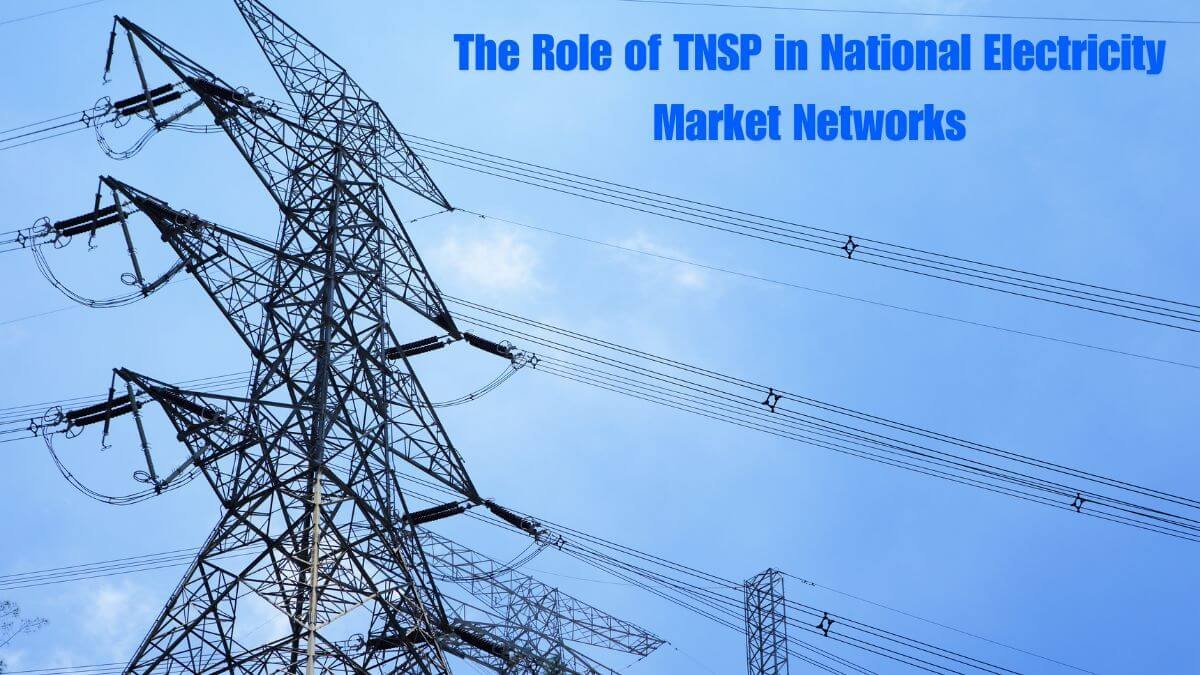
Introduction to TNSP (Transmission Network Service Providers)
The world of electricity is complex, and at the heart of it lies a crucial player: the Transmission Network Service Provider (TNSP). These organizations are more than just technical entities; they play an essential role in ensuring that power flows seamlessly across vast distances to reach our homes and businesses. In a rapidly evolving energy landscape, understanding what TNSPs do can illuminate how we keep the lights on and support sustainable energy futures. Let’s dive into the vital functions of TNSPs within our National Electricity Market Networks and explore their impact on both infrastructure and consumers alike.
The Importance of TNSPs in National Electricity Market Networks
TNSPs, or Transmission Network Service Providers, play a crucial role in the National Electricity Market (NEM). They are responsible for transporting high-voltage electricity from generation points to distribution networks. This process ensures that power reaches homes and businesses efficiently.
The importance of TNSPs extends beyond mere transportation. They help maintain system stability by balancing supply and demand in real-time. A reliable transmission network is vital for preventing blackouts and ensuring continuous power flow.
Moreover, TNSPs contribute to the integration of renewable energy sources into the grid. As more solar panels and wind farms come online, these providers adapt their infrastructure to accommodate this shift towards greener energy solutions.
Their strategic planning and investments also support economic growth. By improving network reliability and capacity, TNSPs enable industries to thrive while keeping costs manageable for consumers across the NEM.
Responsibilities and Functions of TNSPs
TNSPs play a vital role in the electricity supply chain. They are responsible for managing and maintaining high-voltage transmission networks. This ensures that power generated from various sources reaches distribution networks efficiently.
Another key function of TNSPs is to plan and develop new infrastructure. They analyze current needs and future demands, making strategic investments to upgrade facilities. Such foresight helps prevent bottlenecks in electricity delivery.
TNSPs also coordinate with generators and distributors. Effective communication between these parties is crucial for balancing supply with demand, particularly during peak times.
Additionally, they monitor grid performance continuously. By using advanced technologies, TNSPs can identify issues early on and implement solutions promptly.
Safety remains paramount as well; ensuring the reliability of transmissions while adhering to strict safety standards protects both workers and consumers alike.
Challenges Faced by TNSPs in Maintaining National Electricity Network
TNSPs face a myriad of challenges in maintaining the national electricity network. One significant hurdle is aging infrastructure. Many transmission lines and substations were built decades ago, requiring constant upgrades and maintenance to ensure reliability.
Weather-related disruptions present another challenge. Natural disasters such as storms, floods, or wildfires can damage critical components of the network, leading to outages that affect thousands of consumers.
Furthermore, integrating renewable energy sources adds complexity. The variability of wind and solar power demands advanced management strategies to balance supply with fluctuating demand effectively.
Regulatory pressures also play a role. TNSPs must navigate evolving policies while ensuring compliance with safety standards and environmental regulations. These requirements can strain resources and complicate project timelines.
They grapple with funding constraints. Securing investment for necessary improvements often proves challenging amidst competing priorities within the broader energy landscape.
Also Read: Easy Recipe for Chicken Hash Capote
Innovations and Technologies Used by TNSPs for Efficient Network Management
TNSPs are at the forefront of adopting cutting-edge technologies to enhance network management. Smart grid technology plays a crucial role in monitoring and controlling electricity flow efficiently. This allows for real-time data collection, leading to faster decision-making.
Artificial intelligence is also revolutionizing how TNSPs operate. Predictive analytics helps anticipate maintenance needs, reducing downtime and improving reliability. With machine learning algorithms, TNSPs can analyze patterns that aid in optimizing energy distribution.
Furthermore, advanced communication systems improve interconnectivity among various components of the electricity network. These systems facilitate seamless coordination between generation sources and consumers.
Drones are another innovation making waves in infrastructure inspections. They offer a safe and efficient way to monitor transmission lines without interrupting service or posing risks to workers on the ground.
The integration of renewable energy sources is also being managed through innovative software solutions that balance supply with demand effectively, ensuring stability across the national grid.
Impact of TNSPs on Electricity Prices for Consumers
TNSPs play a critical role in shaping electricity prices for consumers. Their efficient management of transmission networks directly influences the cost of delivering power.
When TNSPs invest in infrastructure improvements, it often leads to reduced losses during transmission. This efficiency can translate into lower costs for end-users. Conversely, outdated or poorly maintained networks may increase operational expenses, impacting consumer bills negatively.
Moreover, regulatory frameworks require TNSPs to maintain transparency about pricing structures. This ensures that consumers understand how their electricity rates are determined and what factors contribute to price fluctuations.
Market dynamics also come into play. As demand rises or fluctuates based on seasonal changes, TNSP operations must adapt swiftly. These adaptations can affect overall market pricing strategies and ultimately influence what consumers pay each month.
The ongoing innovations within TNSP services aim not just at improving reliability but also at creating competitive pricing models that benefit all users in the national electricity landscape.
Regulatory Frameworks and Policies for TNSPs in National Electricity Market Networks
Regulatory frameworks play a crucial role in guiding the operations of TNSPs within National Electricity Market networks. These regulations are designed to ensure that electricity transmission is safe, reliable, and equitable.
In Australia, the Australian Energy Regulator (AER) oversees the performance and pricing mechanisms for TNSPs. This regulatory body sets standards that promote transparency and accountability.
Policies often focus on investment strategies to enhance network infrastructure while ensuring affordability for consumers. They also address environmental considerations, pushing TNSPs toward more sustainable practices.
Moreover, compliance with these frameworks involves regular assessments and reporting. This helps maintain service quality across various regions while adapting to evolving market demands.
TNSPs must navigate complex regulations as they strive for operational excellence amidst growing energy needs. Adapting to changing policies can significantly influence their strategic decisions moving forward.
Future
The future of TNSPs looks promising, shaped by rapid technological advancements. As the demand for electricity grows, so does the need for innovative solutions in network management.
Smart grids and real-time data analytics will play pivotal roles. These technologies allow TNSPs to monitor systems more efficiently, improving reliability and reducing outages.
Renewable energy integration is also on the rise. With an increasing number of renewable sources feeding into national networks, TNSPs must adapt their infrastructure accordingly.
Collaboration between various stakeholders is essential. This includes working with energy producers, regulators, and consumers to ensure seamless operations within a dynamic market.
Moreover, sustainability will guide future policies. TNSPs are expected to focus on minimizing environmental impacts while maintaining service quality.
As they navigate these changes, it’s clear that adaptability will be key for TNSPs in shaping the electricity landscape ahead.












Leave a Reply