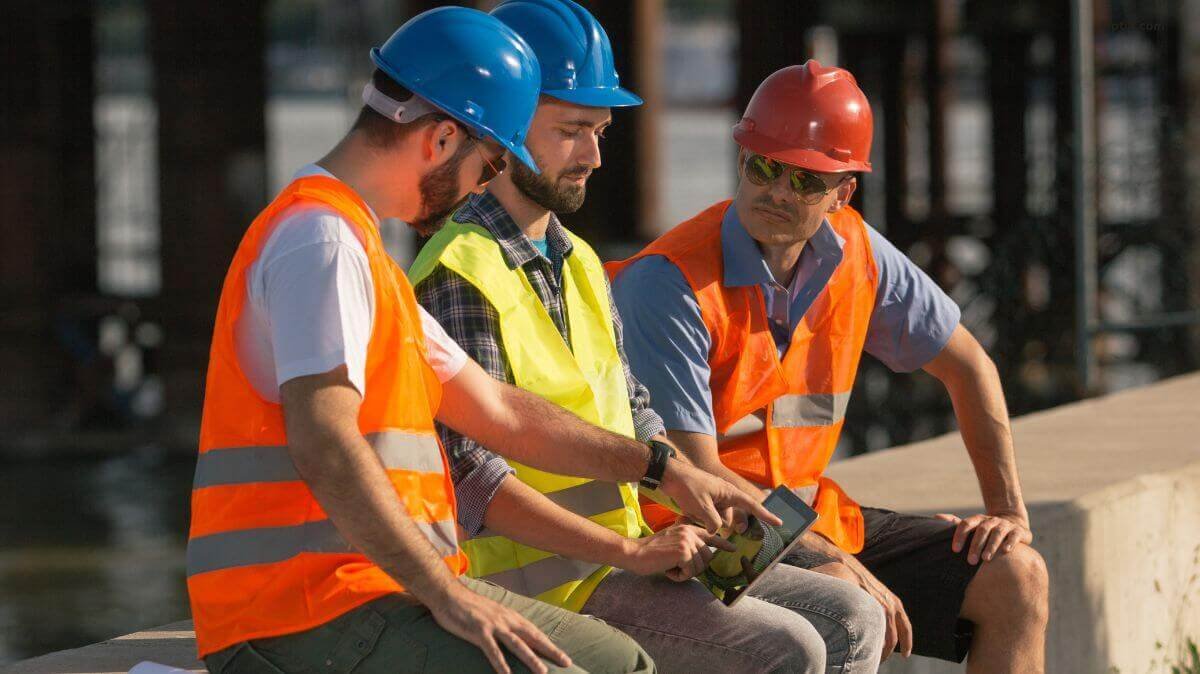
In today’s fast-paced world, engineering firms play a vital role in shaping the urban landscape and infrastructure that communities rely on. These companies specialize in providing technical expertise, offering services that span from structural engineering to environmental assessments. To meet the demands of modern construction, they often analyze construction methods and materials, ensuring that every project adheres to safety and efficiency standards. A well-rounded engineering firm can bring innovative solutions, helping projects to be completed on time, within budget, and with the highest quality.
Why Multidisciplinary Teams Are Crucial in Engineering
A key reason multidisciplinary teams are essential in engineering is the scope and variety of challenges that arise during projects. From environmental concerns and structural stability to energy efficiency and regulatory compliance, every aspect of a project requires specific expertise. A successful engineering firm brings together professionals from different fields—civil, mechanical, environmental, and structural engineers—to collaborate seamlessly. This collaboration ensures that no detail is overlooked and that all potential risks are mitigated before they become costly problems.
For example, modern projects often require in-depth environmental assessments to avoid regulatory hurdles and potential fines. Specialized environmental engineers can evaluate the environmental impact of a project, helping to ensure compliance with both federal and local regulations. At the same time, civil and structural engineers ensure that designs are robust, cost-effective, and sustainable. This holistic approach is the key to modern engineering success.
Tailored Solutions for Unique Projects
No two projects are the same, which is why a good engineering firm must be flexible and adaptable. Whether working on residential buildings, commercial properties, or large-scale infrastructure, each project comes with its own set of requirements and challenges. This is where tailored solutions come in. A firm that understands the unique needs of each client can offer custom strategies that align with project goals, site conditions, and regulatory constraints.
Take, for example, a commercial construction project where the client demands sustainable building practices. An experienced team of engineers would be able to incorporate energy-efficient solutions such as green roofs, solar panels, and advanced insulation materials. By working closely with architects and construction teams, the engineers can ensure these features are seamlessly integrated into the design without compromising structural integrity.
Collaboration with Construction Services
One of the most significant aspects of engineering services is the collaboration with construction professionals. This partnership ensures that the design and engineering plans are implemented correctly and efficiently. Engineers not only provide the design and technical specifications but also assist with troubleshooting during the construction phase. This close collaboration minimizes delays and helps maintain the project’s timeline and budget.
For example, construction services often need detailed engineering input during the build phase to address on-site challenges like foundation issues or weather-related delays. By working together, construction teams and engineers can quickly adapt to these unforeseen circumstances and keep the project on track. Companies specializing in construction services, such as http://www.callsierra.com, are known for their attention to detail and innovative approaches, ensuring that projects not only meet but exceed expectations when it comes to quality and durability.
The Role of Construction Services in Ensuring a Smooth Project
Speaking of construction, it’s worth noting how crucial professional construction services are to the overall success of engineering projects. Whether it’s residential, commercial, or industrial, every build requires precision and expertise from start to finish. A trusted construction service ensures that all structural and design elements are executed flawlessly. They handle everything from foundational work to finishing touches, maintaining clear communication with engineers to address any design challenges that arise.
In projects that emphasize environmental sustainability or energy efficiency, construction teams play a pivotal role in implementing advanced solutions like energy-efficient heating and cooling systems. This is where services like those offered by leading construction companies excel. Their teams collaborate closely with engineering professionals to execute projects that not only meet design goals but also comply with stringent environmental regulations. With their in-depth knowledge and experience, these construction teams can turn even the most complex engineering designs into reality.
Engineers and Skyscrapers
Did you know that the first skyscraper was built in 1885? It stood at just 10 stories tall, but it revolutionized the world of architecture and construction. Today, thanks to advancements in structural engineering and materials science, buildings can soar to dizzying heights, with some surpassing 100 stories. Engineers are the masterminds behind these towering achievements, ensuring that each floor is stable, safe, and capable of withstanding natural forces like wind and earthquakes.
Innovation Through Technology in Modern Engineering
Another crucial element in today’s engineering projects is the use of cutting-edge technology. The integration of tools like Building Information Modeling (BIM), 3D printing, and drones has streamlined the way engineers approach design, analysis, and construction. BIM, for example, allows for the creation of highly detailed virtual models of buildings that can be modified in real time, helping engineers and architects collaborate more effectively.
Drones provide an aerial perspective that allows engineers to conduct site surveys more efficiently, gathering data that would otherwise require time-consuming manual inspections. These technologies not only increase the accuracy of engineering work but also help reduce costs by identifying potential issues early in the process.
Looking Toward the Future of Engineering
As technology continues to evolve, so will the scope and capabilities of engineering firms. The future promises even more integration of sustainable practices, innovative materials, and smart technology into the built environment. Whether it’s designing energy-efficient buildings or developing infrastructure to support smart cities, engineering will remain at the forefront of modern development.
By embracing multidisciplinary expertise, cutting-edge technology, and close collaboration with construction teams, the future of engineering is bright, and the projects completed today will serve as the foundation for tomorrow’s innovations.