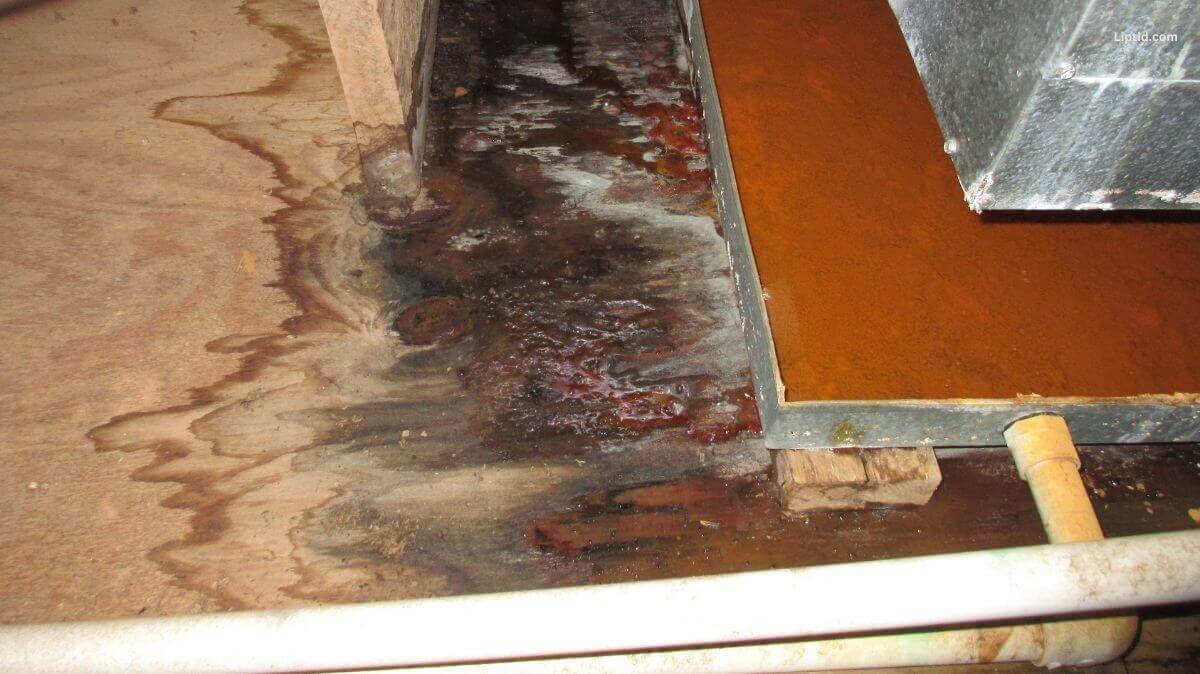
Water damage is one of the most challenging issues property owners face, whether it’s due to a burst pipe, flooding, or natural disasters. Acting quickly and efficiently is crucial to minimize damage and ensure a smooth recovery process. In this guide, we’ll cover expert tips for water removal and flood damage restoration to help you navigate the situation like a pro.
Act Fast: Time Is Your Enemy
When it comes to water damage, every minute counts. The longer water sits, the more damage it causes to your property, potentially leading to mold growth, structural issues, and ruined belongings. For fast and effective water removal solutions, visit www.drquickdry.com to ensure your property gets the immediate attention it needs.
The Importance of Quick Water Removal
Water can start causing irreversible damage within hours. Drywall becomes soggy, wood warps, and fabrics soak through. Mold, one of the most common results of flood damage, can begin growing in as little as 24 to 48 hours after exposure to moisture. Interestingly, mold can grow up to 12 inches per day under ideal conditions, turning a small water issue into a widespread health hazard.
Prioritize Safety First
Before diving into water removal and restoration, ensure your safety and that of your family or staff. Water-damaged buildings can pose electrical hazards, unstable flooring, or even contamination if the water is unsanitary.
Shut Off Electricity and Water Sources
Always shut off the electricity in areas affected by water. If flooding involves any level of contamination, such as sewage, consider wearing protective gear or contacting professionals to handle the cleanup. Fun fact: floodwaters can carry over 100 different contaminants, making immediate and careful handling critical.
Remove Standing Water and Moisture
Once safety is assured, begin the process of removing standing water. The goal is to eliminate as much water as possible to prevent further damage and mold growth.
Use the Right Tools for Water Extraction
Use a wet/dry vacuum to remove standing water. If the water level is too high or if the affected area is large, you may need to hire professionals with industrial-grade pumps. Fans and dehumidifiers are essential for drying out the space after the majority of water has been removed. According to The Inspectors Company, this step is critical to prevent mold and further damage from lingering moisture.
It’s worth noting that carpets and padding often need to be replaced after severe flooding, as they can trap moisture even after water extraction. Hardwood flooring may also need specialized care to avoid warping or buckling.
Dry Out and Ventilate the Area
Drying is a critical phase in flood damage restoration, as lingering moisture can result in mold, mildew, and musty odors. This process goes beyond simply removing standing water.
Maximize Ventilation
Open windows and doors to help air circulate, speeding up the drying process. Using dehumidifiers and fans is highly recommended to get rid of excess moisture. Fun fact: A single large dehumidifier can remove up to 70 pints of water from the air each day, depending on humidity levels.
If you’re dealing with significant water damage, it’s often best to bring in professionals equipped with air movers, industrial dehumidifiers, and moisture meters to ensure the area is fully dry.
Salvage What You Can, Discard What You Can’t
After water removal, it’s time to assess the damage. Some items can be salvaged, while others may need to be discarded to avoid health hazards or future issues.
Know When to Let Go
Waterlogged items like furniture, rugs, and personal belongings may need to be discarded, especially if they have absorbed contaminated water. Even items affected by clean water may develop mold if not dried thoroughly. For electronics, it’s usually best to let them dry out for several days before testing, and consider getting them inspected by professionals to avoid electrical issues.
In some cases, books, documents, and photographs can be salvaged through specialized drying techniques like freeze-drying, which stops the damage and prevents further deterioration.
Prevent Mold Growth
Mold is one of the most damaging and dangerous results of water and flood damage. It thrives in moist environments, and once it starts growing, it can spread rapidly.
Professional Mold Remediation
If mold is detected, it’s vital to take action quickly. Depending on the extent of the mold, you may need professional mold remediation services. Mold spores are airborne, so it’s critical to seal off affected areas, use HEPA filtration, and follow safe removal practices.
Did you know? There are over 100,000 species of mold, but only about a dozen types commonly grow indoors. The most common indoor molds include Cladosporium, Penicillium, and the dreaded Stachybotrys, also known as black mold.
Begin Repairs and Restoration
Once water and moisture have been removed, the drying process completed, and mold prevention efforts taken care of, it’s time to start repairs. Whether it’s replacing drywall, refinishing floors, or repainting walls, the final phase of water damage restoration is essential for returning your home or business to its pre-loss condition.
Hire Professionals for Restoration
For extensive damage, especially in commercial properties, it’s best to hire experienced restoration professionals who understand the complexities of rebuilding after water damage. This ensures the integrity of the structure and the safety of those who occupy the space.
Prevent Future Flooding
Finally, once your property has been restored, it’s essential to take steps to prevent future water damage.
Install Preventative Measures
Consider installing sump pumps, drainage systems, or backflow valves to reduce the risk of future flooding. Regular maintenance of gutters, downspouts, and grading around your property can also prevent water from pooling near the foundation.
Protect Your Property with Proper Water Damage Restoration
Water damage can be devastating, but with quick action and the right techniques, you can mitigate long-term issues and restore your space to its original condition. Remember to prioritize safety, act fast, and bring in professionals when necessary to handle complex restoration tasks. By following these expert tips, you’ll ensure a smoother recovery and protect your property from future water-related disasters.