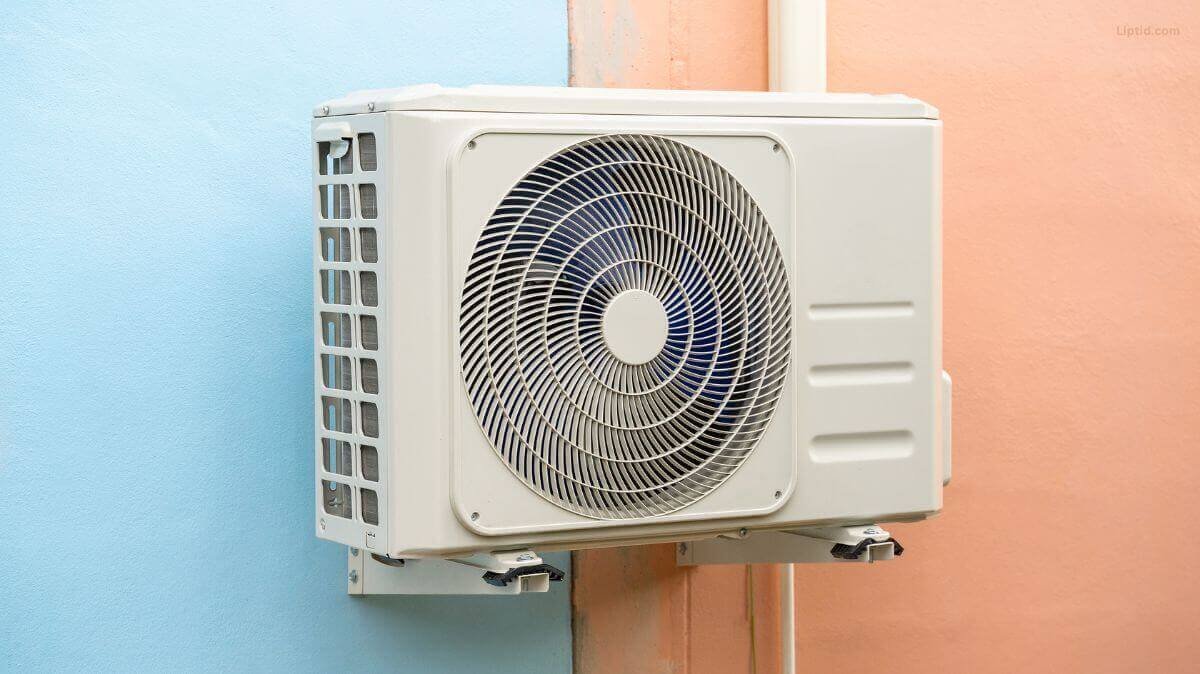
As the world shifts towards sustainability, the air conditioning industry is at the forefront of change. The transition to A2L refrigerants represents a major step forward in creating eco-friendly, energy-efficient systems that meet the demands of modern consumers. Companies with certified HVAC technicians are seizing this transition as an opportunity to offer better, greener products, rather than just meeting regulatory requirements. By focusing on high-quality service, cutting-edge technology, and environmental responsibility, these companies are leading the charge in shaping the future of air conditioning.
Understanding the A2L Refrigerant Transition
The A2L refrigerant transition is more than just a buzzword—it’s a pivotal movement toward sustainability in the air conditioning industry. Traditional refrigerants, such as R-410A, have a high Global Warming Potential (GWP), contributing significantly to environmental damage. A2L refrigerants, by contrast, offer a low-GWP alternative that reduces the carbon footprint of cooling systems.
A2L refrigerants are classified as mildly flammable, but their environmental benefits outweigh the challenges posed by their flammability. They strike a balance between performance and sustainability, allowing consumers to maintain their indoor comfort while helping protect the planet. For air conditioning service providers, this transition also means upgrading systems, retraining technicians, and rethinking the way HVAC units are designed and installed.
Why It Matters to Air Conditioning Providers
For companies focused on providing top-tier air conditioning solutions, the move to A2L refrigerants is a game-changer. It signals a commitment to reducing the environmental impact of cooling systems while maintaining the reliability and efficiency that consumers expect. The transition is not just about swapping refrigerants—it’s about adopting a more responsible approach to cooling technology.
Consumers today are more eco-conscious than ever, and they are looking for solutions that align with their values. By offering air conditioning systems that use A2L refrigerants, HVAC providers are positioning themselves as leaders in the green energy movement. They are also ensuring that their customers can enjoy energy-efficient cooling that complies with new environmental regulations without sacrificing performance.
Benefits of Using A2L Refrigerants in Air Conditioning
Switching to A2L refrigerants offers a number of tangible benefits:
- Lower Environmental Impact: A2L refrigerants dramatically reduce the global warming impact of air conditioning systems, while also maintaining efficiency in cooling systems, making them a greener alternative to older refrigerants like R-410A.
- Energy Efficiency: Systems designed for A2L refrigerants are typically more energy-efficient, which means homeowners and businesses can enjoy significant cost savings on their energy bills.
- Compliance with Regulations: The global push for sustainability means that stricter regulations are being implemented. By transitioning to A2L refrigerants, air conditioning providers are staying ahead of regulatory requirements and offering compliant, future-proof solutions.
- Improved System Longevity: Modern systems using A2L refrigerants are built with efficiency and durability in mind, often resulting in extended lifespans compared to older, less sustainable models.
Cooling Demand is Rising
Did you know that by 2050, cooling demand is expected to triple? As the planet gets warmer, the need for air conditioning is skyrocketing, which makes it even more important for the HVAC industry to adopt sustainable practices. The transition to A2L refrigerants is a crucial part of meeting this rising demand in an environmentally responsible way.
Focus on Customer Comfort and Environmental Stewardship
One of the key areas where air conditioning providers shine is their dedication to ensuring customer comfort while prioritizing environmental stewardship. As temperatures rise, consumers want reliable, efficient cooling systems that don’t contribute to climate change. Providers are stepping up to the challenge by offering services that help homeowners and businesses stay cool without compromising on sustainability.
The adoption of A2L refrigerants is a prime example of this commitment. These refrigerants, while mildly flammable, are safe when handled by trained professionals and provide a more sustainable cooling option. For consumers, this means they can continue to enjoy high-performing air conditioning systems that are kinder to the planet.
The Importance of Technician Training
The transition to A2L refrigerants isn’t just about updating equipment—it’s also about ensuring that technicians are properly trained to handle these new refrigerants safely. Air conditioning service providers are investing heavily in training programs to make sure their staff is equipped to manage A2L refrigerants, ensuring both safety and system efficiency.
Handling A2L refrigerants requires specialized knowledge, as these refrigerants are mildly flammable and must be treated with care. By prioritizing technician training, air conditioning companies are not only ensuring compliance with safety regulations but also delivering peace of mind to their customers.
A2L Refrigerants and the Global Push for Sustainability
A2L refrigerants are part of a broader global effort to reduce the environmental impact of heating and cooling systems. In addition to being more eco-friendly, A2L refrigerants are also paving the way for future innovations in HVAC technology. The industry is constantly evolving, with an eye on creating even more efficient and sustainable systems in the coming years.
What the Future Holds for Air Conditioning
As the transition to A2L refrigerants continues, the air conditioning industry is expected to see even more advancements in energy-efficient technology. Consumers can look forward to smarter, greener cooling systems that not only meet their comfort needs but also reduce their carbon footprint.
The future of air conditioning is one of innovation and sustainability. With the adoption of A2L refrigerants and the continuous improvement of HVAC systems, providers are setting the stage for a world where cooling can be both efficient and environmentally responsible. This forward-thinking approach ensures that consumers can enjoy the best of both worlds—comfort and sustainability.
Leading the Way to a Greener Future
The transition to A2L refrigerants is just one example of how the air conditioning industry is embracing change for the better. By focusing on reducing environmental impact, improving energy efficiency, and ensuring technician safety, air conditioning providers are positioning themselves as leaders in the movement toward greener, more sustainable solutions.
As more homes and businesses look for eco-friendly air conditioning systems, the providers who adopt A2L refrigerants and prioritize environmental stewardship will be the ones leading the charge. The future of air conditioning is bright—and green!