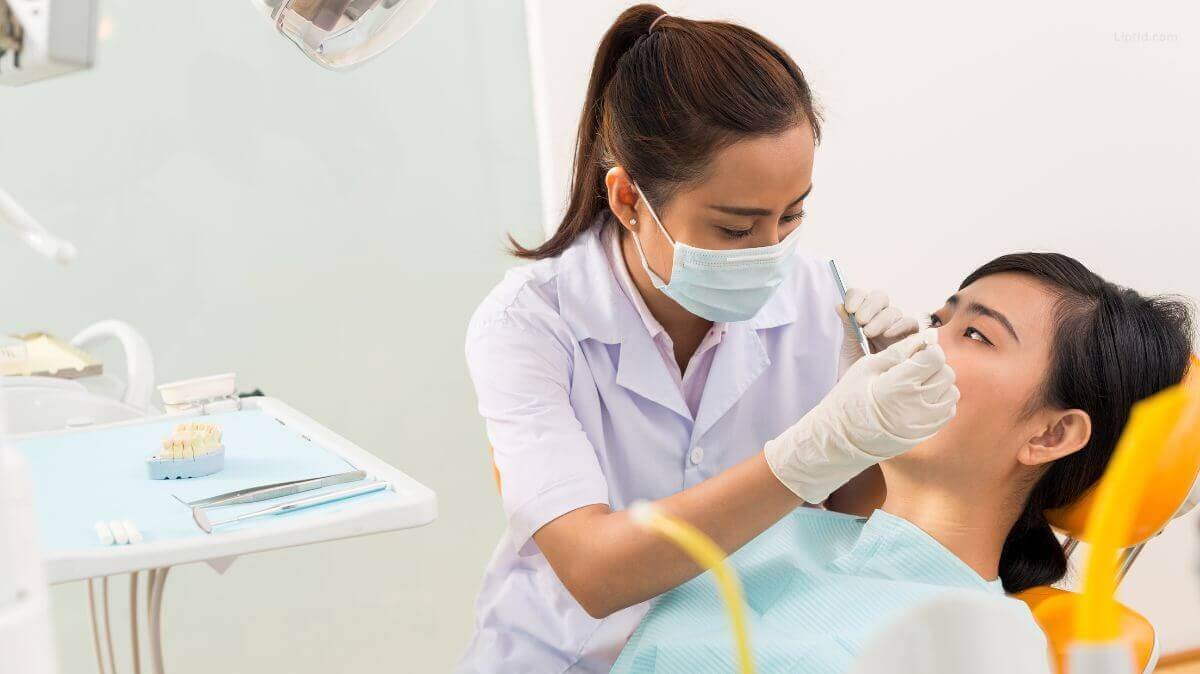
When you walk into a dental clinic, you want to feel confident that you’re stepping into a clean, professional, and safe environment. Cleanliness in a dental clinic is not just about making a good first impression; it plays a crucial role in safeguarding your health and comfort. A spotless clinic is essential to preventing the spread of infections, maintaining a welcoming atmosphere, and ensuring that patients feel at ease during their visits. For thorough and reliable cleaning, turn to http://greenapplecleaningmd.com for services that keep any space sparkling and looking fresh.
In this article, we’ll explore why maintaining a pristine dental clinic is important for both safety and comfort, and how it benefits both patients and healthcare professionals.
Infection Control: The First Line of Defense
One of the most critical reasons for maintaining a clean dental clinic is to prevent the spread of infections. Dental clinics are high-traffic areas where patients, staff, and equipment are exposed to various microorganisms, including bacteria, viruses, and fungi. Without strict hygiene and cleanliness standards, these microbes can spread, putting both patients and staff at risk.
Sterilization of Dental Tools
Dental tools come into direct contact with a patient’s mouth, where bacteria can easily transfer from one patient to another. Therefore, it’s essential that all instruments are thoroughly sterilized after each use. Most clinics use autoclaves, machines that sterilize tools with steam and high pressure, to ensure that every instrument is safe for the next patient.
Fun fact: Autoclaves can reach temperatures as high as 250°F (121°C) to effectively kill bacteria, viruses, and spores on dental instruments, ensuring a sterile environment.
Surface Disinfection
It’s not just the tools that need to be cleaned. Surfaces such as dental chairs, countertops, and equipment handles can harbor germs, too. Regular disinfection of these surfaces is necessary to prevent cross-contamination. Most dental clinics use hospital-grade disinfectants that are effective against a broad range of pathogens, including those that can cause serious infections.
A spotless clinic means that every surface you come into contact with has been cleaned and disinfected, providing peace of mind for patients and staff alike.
Patient Comfort: A Clean Clinic Puts You at Ease
No one enjoys a visit to the dentist, but a clean and well-maintained clinic can make a world of difference in your overall experience. A cluttered, dirty, or unkempt dental office can make patients feel anxious and uncomfortable. On the other hand, a sparkling, organized space fosters a sense of trust and calm.
Cleanliness and Mental Comfort
The state of a dental clinic directly impacts how a patient feels about their care. A spotless, organized environment sends a strong message: this clinic cares about the well-being of its patients and adheres to high standards of hygiene. Patients are more likely to feel at ease when they know the clinic takes cleanliness seriously.
A Welcoming Atmosphere
In addition to safety, cleanliness also contributes to the overall ambiance of a dental office. A clean clinic with fresh-smelling air, bright lighting, and comfortable seating creates a welcoming and relaxing atmosphere. This is particularly important for patients who experience dental anxiety, as it can help alleviate their stress.
Pro tip: Dental offices often use calming elements like soothing colors, fresh flowers, and even aromatherapy to create a more inviting environment for patients.
Ensuring Compliance with Health Regulations
Maintaining a clean dental clinic is not just about patient perception – it’s also a legal requirement. Dental offices are subject to stringent health and safety regulations to ensure that they meet national and local standards for cleanliness and infection control. Clinics that fail to comply with these regulations can face penalties, and worse, they may put their patients at serious risk.
Adhering to OSHA Guidelines
In the United States, the Occupational Safety and Health Administration (OSHA) enforces standards that dental clinics must follow to protect employees and patients from exposure to infectious diseases. These regulations cover everything from the proper handling of sharp instruments to the use of personal protective equipment (PPE) by staff members.
Dental offices must have written infection control protocols, staff training programs, and proper waste disposal methods in place to ensure compliance with these safety guidelines.
Following CDC Recommendations
The Centers for Disease Control and Prevention (CDC) also provides comprehensive guidelines for infection prevention in dental settings. These recommendations cover everything from the sterilization of instruments to hand hygiene practices. Following these protocols ensures that dental offices minimize the risk of infections and maintain a safe environment for patients.
By adhering to these health regulations, dental clinics can protect both their patients and staff from potential health hazards, ensuring that safety is always a top priority.
The Role of Staff in Maintaining Cleanliness
A spotless dental clinic doesn’t happen by accident – it requires the dedication and vigilance of the entire dental team. From receptionists to dental hygienists, everyone plays a role in maintaining the cleanliness and hygiene standards of the clinic.
Trained Cleaning Procedures
Dental staff are trained in proper cleaning procedures to ensure that every part of the clinic is sanitized. They are responsible for cleaning and disinfecting examination rooms between patients, handling waste disposal, and ensuring that the waiting room is tidy and comfortable. Maintaining cleanliness in the dental clinic is crucial for a successful All-on-4 dental procedure, as highlighted by the expert services at https://www.temeculaoralsurgery.com/, ensuring patient safety and comfort throughout the process.
Personal Protective Equipment (PPE)
Staff also wear PPE, such as gloves, masks, and protective eyewear, to minimize the spread of germs. This not only protects patients but also keeps the dental team safe from potential exposure to pathogens.
Fun Fact: Dental Cleanliness Dates Back to Ancient Times
Did you know that the concept of cleanliness in dental care dates back thousands of years? Ancient civilizations like the Egyptians and Greeks practiced early forms of oral hygiene, such as using natural antiseptics and rudimentary toothbrushes to keep their teeth clean. Today, modern dental clinics take cleanliness to a whole new level with advanced sterilization techniques and infection control protocols.
A Clean Clinic Reflects Professionalism
A clean dental clinic isn’t just a reflection of hygiene – it’s also a testament to the professionalism of the clinic. Patients expect a high standard of care, and a spotless environment shows that the clinic takes its role seriously. It communicates to patients that the clinic prioritizes their health and safety, and is committed to delivering exceptional service.
Professionalism in Every Detail
From the organization of tools to the tidiness of waiting areas, every detail in a dental clinic contributes to the overall experience. Clinics that prioritize cleanliness and organization reflect their commitment to excellence in both patient care and service.
A spotless dental clinic is more than just a requirement – it’s essential for ensuring patient safety, comfort, and trust. Through meticulous sterilization, disinfection practices, and adherence to health guidelines, dental clinics can provide a safe environment where patients feel comfortable and confident in their care. By maintaining a clean and welcoming space, dental professionals not only protect their patients from infections but also create a positive, reassuring experience that keeps patients coming back with peace of mind.